Vision 2040 is the long-range master plan that guides the future growth and development of Raleigh-Durham International Airport.
Approved by the Federal Aviation Administration (FAA) in 2017 following a two-year public planning process, Vision 2040 helps the Raleigh-Durham Airport Authority make informed decisions about future infrastructure investments needed to support the Research Triangle region's growing demand for air travel.
The plan evaluates how the airport can safely and efficiently accommodate future passengers, airlines and aircraft operations while balancing environmental, operational and community considerations.
Unlike a construction schedule, Vision 2040 is demand-driven. Projects move forward when passenger activity and operational needs reach specific thresholds, regardless of the year originally forecast.
Today, as RDU experiences record passenger growth, many of the improvements identified in Vision 2040 are becoming a reality through Transform RDU, the airport's capital development program.
Planning for the Future of RDU
Vision 2040 serves as the framework for how the airport will grow over time. The master plan examines future needs across four key areas of the airport.
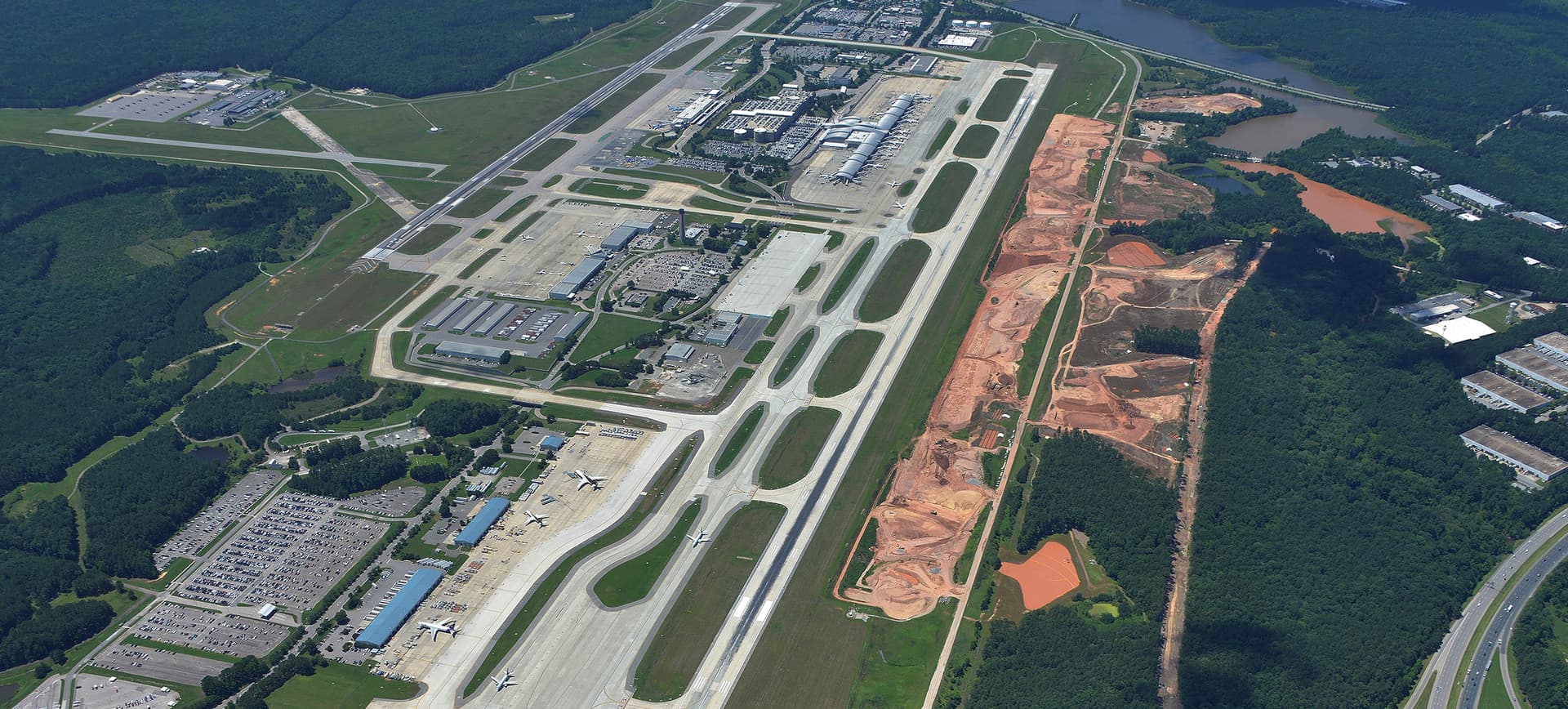
Airfield
The airfield includes runways, taxiways, aircraft parking areas and cargo facilities. Vision 2040 identifies improvements needed to maintain safe and efficient aircraft operations while supporting future growth.
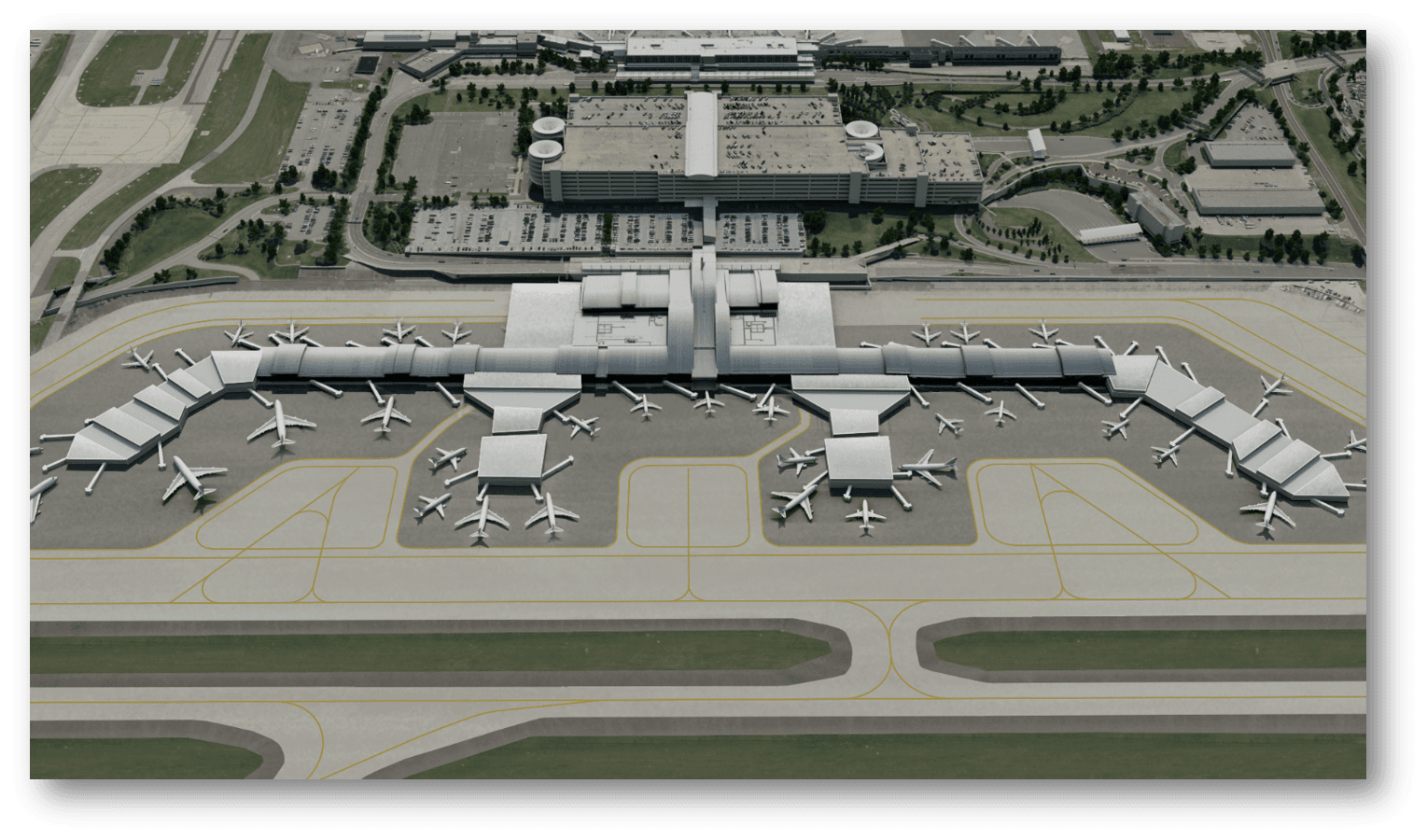
Terminals
Terminal planning focuses on providing sufficient capacity for passengers, airlines and airport operations. This includes future considerations for ticketing, security screening, baggage systems, gate areas and international arrivals facilities.
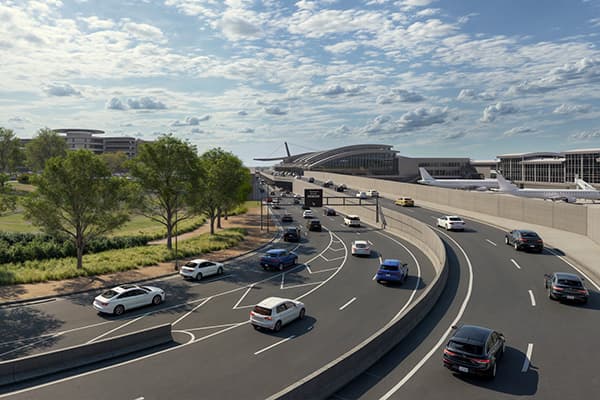
Ground Transportation
Ground transportation planning addresses how passengers, employees and visitors access the airport. This includes roadways, parking facilities, rental car operations and other transportation services across the airport campus.
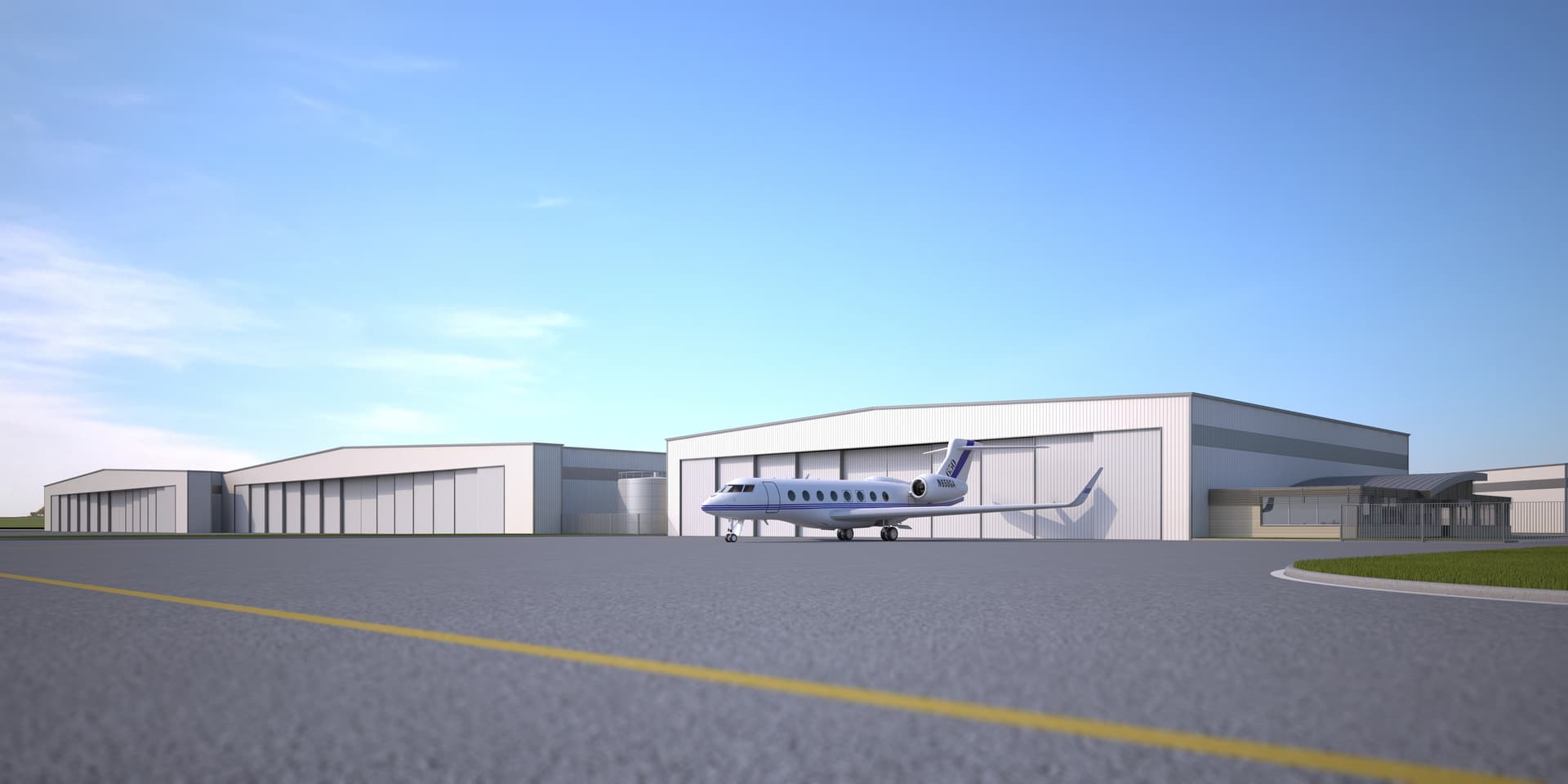
General Aviation
General aviation includes private, corporate and business aviation activity. Vision 2040 identifies opportunities to support continued growth through future facilities and development areas.
From Planning to Construction
Vision 2040 identifies the infrastructure investments needed to support the airport's long-term future. As passenger demand reaches planned thresholds, projects advance through design, environmental review and construction.
Many of the major investments currently underway at RDU were first identified through the Vision 2040 planning process, including:
Runway 5L/23R Replacement
Terminal 2 Landside Expansion
John Brantley Boulevard Extension
Park Economy 3 Expansion
These projects are now being delivered through Transform RDU [Link: Transform RDU].
How Vision 2040 Guides Decision-Making
The master plan is based on detailed forecasts, technical analysis and stakeholder input. Planning decisions consider a variety of factors, including:
Passenger demand
Aircraft activity
Airline growth
Operational efficiency
Safety requirements
Environmental impacts
Economic benefits
Community considerations
This approach allows RDU to grow responsibly while ensuring airport investments align with actual demand.
Public Engagement and Planning Process
Community involvement played an important role in the development of Vision 2040.
During the planning process, the Airport Authority conducted public workshops, stakeholder meetings and outreach efforts to gather feedback from residents, businesses, airport partners and travelers. Input received during those activities helped shape the final master plan approved by the FAA.
Vision 2040 continues to serve as the foundation for long-term airport planning and development decisions.
Vision 2040 Archive
Historical planning materials related to Vision 2040 remain available through the project archive.
Resources include:
Master planning documents
Airport Layout Plan materials
Public workshop presentations
Meeting materials
Frequently asked questions
Environmental planning information